


Background: The Defamation Suit
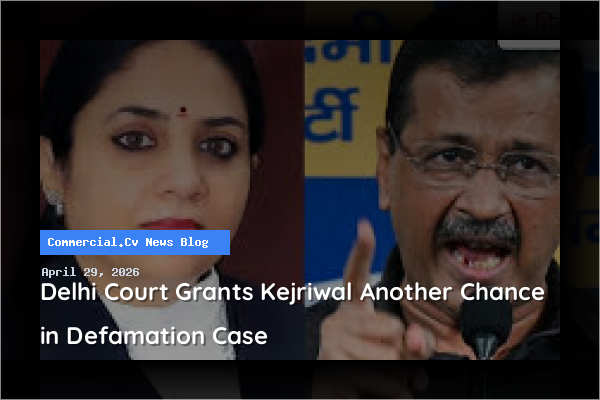
A significant legal development has unfolded in Delhi concerning a defamation suit filed by Durgesh Pathak, a prominent leader associated with the Aam Aadmi Party (AAP). The case, which has been under scrutiny, involves allegations of defamatory statements made against Pathak. The Delhi High Court, presided over by Justice Swarna Kanta Sharma, recently took a pivotal decision, granting Delhi Chief Minister and AAP convenor, Arvind Kejriwal, an additional opportunity to present his response to the charges leveled against him.
The genesis of the legal battle lies in a complaint lodged by Durgesh Pathak, alleging that Kejriwal made certain statements that were damaging to his reputation. While the specifics of the alleged defamatory remarks are not detailed in the immediate context, such legal proceedings typically revolve around statements that are perceived to be false, malicious, and intended to harm an individual's standing in the public eye. In India, defamation is a civil and sometimes criminal offense, with legal recourse available to those who feel their reputation has been unjustly tarnished.
Key Developments: A Second Chance in Court
The recent proceedings before Justice Swarna Kanta Sharma saw the court acknowledge the ongoing nature of the legal process and the importance of providing all parties a fair chance to present their case. It was reported that a previous opportunity for Kejriwal to file his reply had elapsed, leading to the current situation. However, the court, in its discretion, decided to extend this deadline, effectively giving Kejriwal "one more chance" to submit his defense.
This decision underscores a common judicial practice of allowing parties to rectify procedural oversights or to ensure that all relevant arguments and evidence are considered before a final adjudication. While the exact reasons for the delay in filing the response were not explicitly stated in the public domain, the court's leniency suggests a pragmatic approach to the administration of justice, prioritizing substance over strict adherence to procedural timelines when fairness is at stake. The court's directive implies that Kejriwal is now expected to file his reply within a stipulated timeframe to avoid further procedural complications.
Impact and Analysis: Navigating Legal Challenges
The legal challenges faced by prominent political figures like Arvind Kejriwal are often closely watched, given their public roles and the potential implications for political discourse. This particular development, while seemingly procedural, highlights the ongoing legal battles that often accompany high-profile political careers. The court's decision to grant an extended opportunity can be viewed from several angles. Firstly, it demonstrates the judiciary's commitment to due process, ensuring that defendants are not unduly prejudiced by technicalities.
Secondly, it allows for a more comprehensive examination of the facts and arguments in the defamation case. For Durgesh Pathak, this might mean a further delay in the resolution of his complaint, but it also ensures that Kejriwal's defense will be thoroughly considered. For Kejriwal and the AAP, this provides a crucial window to prepare and present their legal strategy effectively. The political ramifications, though indirect, could involve public perception and the narrative surrounding the party's leadership and its legal entanglements. In the broader context of Indian politics, such legal skirmishes are not uncommon and often become part of the political narrative, influencing public opinion and media coverage.
What's Next: Filing the Reply and Future Proceedings
The immediate future of this case hinges on Arvind Kejriwal's compliance with the court's order. He is now obligated to file his detailed reply to Durgesh Pathak's defamation suit within the timeframe stipulated by Justice Swarna Kanta Sharma. Once the reply is filed, the court will proceed to examine the arguments presented by both sides. This will likely involve further hearings, potentially including the presentation of evidence and legal arguments by the counsels representing Pathak and Kejriwal.
The subsequent stages of the legal process will depend on the court's assessment of the submitted documents and arguments. The court will then decide whether there is sufficient ground to proceed with the defamation case or if it can be dismissed. The outcome of this defamation suit, regardless of its eventual resolution, will add another chapter to the ongoing legal and political narrative surrounding key figures in Indian politics. The emphasis remains on the judicial process to ensure a fair and just resolution based on the merits of the case.
Source: Hindustan Hindi News



Share on